
New to Portugal? Start Here
Moving to Portugal is exciting, but it can also feel overwhelming at the beginning. New language, new paperwork, new rules, new areas to understand and, of course, the big question: where do we actually start?
At Farmer For Fun, we help make the process clearer, calmer and more enjoyable, especially for people looking for a home, farm 'quinta', renovation project or rural lifestyle in Central Portugal.
Here you will find a guide with handy hints and tips, as well as a walkthrough of the steps we feel you should first take to make your Portuguese dream a reality.
If you have any questions email us
1
Decide what kind of Portugal life you want
Before looking at properties, think about the life you are trying to build.
Do you want a lock-up-and-leave village house, a smallholding with fruit trees, a renovation project, an off-grid escape, or a move-in-ready home with land?
Handy hint: make two lists, 'must-haves' and 'nice-to-haves'.
Water, access, electricity, internet, land size and distance to shops matter just as much as pretty views.
2
Visit different areas before choosing
Portugal is a small country, but very diverse and every area feels different.
Central Portugal offers mountains, river valleys, granite villages, forests, market towns and more affordable rural properties than many of the coastal areas.
Spend time in a few areas before committing. Visit in different weather, drive the roads, check nearby towns and see how far you are from supermarkets, hospitals, schools, cafés and airports.
Handy hint: a dream property can feel very different if the access road is difficult, the nearest shop is 35 minutes away, or the internet is poor.
3
Understand your visa or residency route
If you are (or a family member is) an EU citizen, the process is more straightforward.
If you are from the UK, USA or another non-EU country, you may need to consider visa options before moving full-time. This is not as hard as people often think, you just need to make sure you hit the criteria, speak with us, we have contacts that specialise in visas.
Common routes may include retirement/passive income visas (such as the D7, this is a very popular option for most and we recommend checking this one out first), work-related routes (such as the D2, check this out as an option if you are buying a farm or other potential business), digital nomad routes or family-based residency (grandparent or parent originally from any EU country), depending on your situation.
Portugal’s immigration system is handled by AIMA, and requirements can change, so always check official guidance or speak to a qualified visa adviser.
Handy hint: buying a property does not automatically give you residency. Also, Portugal’s Golden Visa no longer allows real estate purchase as a qualifying investment route.
4
Get your NIF
A NIF is your Portuguese tax identification number. Every individual and every business has their own identifying number and you will need it for buying property, opening a bank account, setting up utilities and dealing with official matters.
It is very quick and easy to get the NIF, we can help or there are others online who can do this for you if you are out of the country.
Foreign residents and non-residents can apply for a NIF if they need to deal with Portuguese tax obligations or exercise rights before the tax authority.
Handy hint: sort this early. It is one of the first practical steps that makes everything else easier.
5
Open a Portuguese bank account
Many buyers open a Portuguese bank account before purchasing. This can help with property payments, utilities, taxes, insurance and ongoing costs once you own a home.
Handy hint: ask your lawyer or relocation adviser what documents your bank is likely to request before you travel.
6
Set your real budget
Your property budget is not just the asking price. You should allow for purchase taxes, legal fees, notary costs, currency exchange, renovations, furniture and emergency funds.
In Portugal, buyers normally pay IMT property transfer tax and stamp duty on purchase. Stamp duty is commonly 0.8% of the purchase price, while IMT depends on property type, value and use, but 5% is a good rule of thumb.
Handy hint: if you are buying rural property, keep a separate budget for fencing, land clearing, water systems, tools, access improvements and unexpected repairs.
7
Choose a lawyer
A good lawyer is essential. They can check ownership, debts, boundaries, licences, habitation documents, land classifications, tax status and whether the seller has the legal right to sell.
Handy hint: do not rely only on what a seller says. Portugal has many beautiful rural properties, but paperwork matters.
8
Start viewing properties properly
When viewing rural homes, look beyond the romance. Stone cottages, ruins, watermills and quintas can be magical, but they need careful checks.
Look at:
-
access roads
-
water sources
-
electricity supply
-
septic tank or mains drainage
-
internet and mobile signal
-
roof condition
-
boundaries
-
legal building areas
-
land maintenance
-
fire risk
-
neighbouring properties
-
winter damp and summer heat
-
Handy hint: visit with practical eyes first, emotional eyes second.
9
Make an offer and reserve the property
Once you find the right place, you can make an offer. If accepted, the next stage is usually the legal checks and then a CPCV, which is the promissory purchase and sale contract.
This contract normally sets out the price, deposit, completion date and conditions of sale.
Handy hint: never pay a deposit without legal advice.
10
Complete at the notary
Final completion usually takes place at the notary, where the deed is signed, taxes are paid, ownership is transferred and the property is registered.
After completion, you (or your legal representative) can arrange utilities, insurance, council registration and practical moving-in tasks.
11
Plan your first year realistically
The first year in Portugal is about settling in, not doing everything at once.
You may need to:
-
register for healthcare
-
update residency documents
-
arrange car import or purchase
-
find tradespeople
-
learn basic Portuguese
-
understand local taxes
-
meet neighbours
-
manage land
-
adapt to rural life
Handy hint: Portugal rewards patience. Things may move more slowly than you are used to, but a friendly attitude goes a long way.
12
Enjoy why you came
The paperwork matters, but so does the dream.
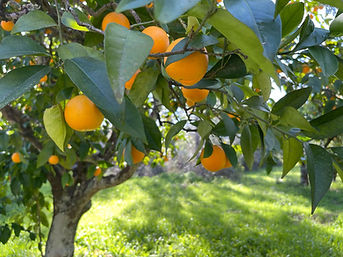
Morning coffee in the sun. Chickens in the garden. Fruit from your own trees. Village markets. River walks. Space, peace and a slower rhythm of life.
That is what this journey is really about.
How Farmer For Fun Can Help You
We specialise in helping people discover rural and lifestyle properties in Central Portugal. Whether you are dreaming of a small farm, stone cottage, renovation project, land with water, or a peaceful village home, we aim to make the process feel simple, honest and approachable.
Ready to explore?
Browse our latest properties or get in touch for friendly guidance, we look forward to seeing you soon
Get in Touch
Email us at farmerforfun@outlook.com
with any questions and we will be happy to answer them.